Securing a dependable pest control service Fort Myers property owners rely on requires specific treatments calibrated for high humidity, sandy soils, and persistent insect pressures. Local pest activity along the Caloosahatchee River waterfront and interior communities remains continuous across all twelve months.
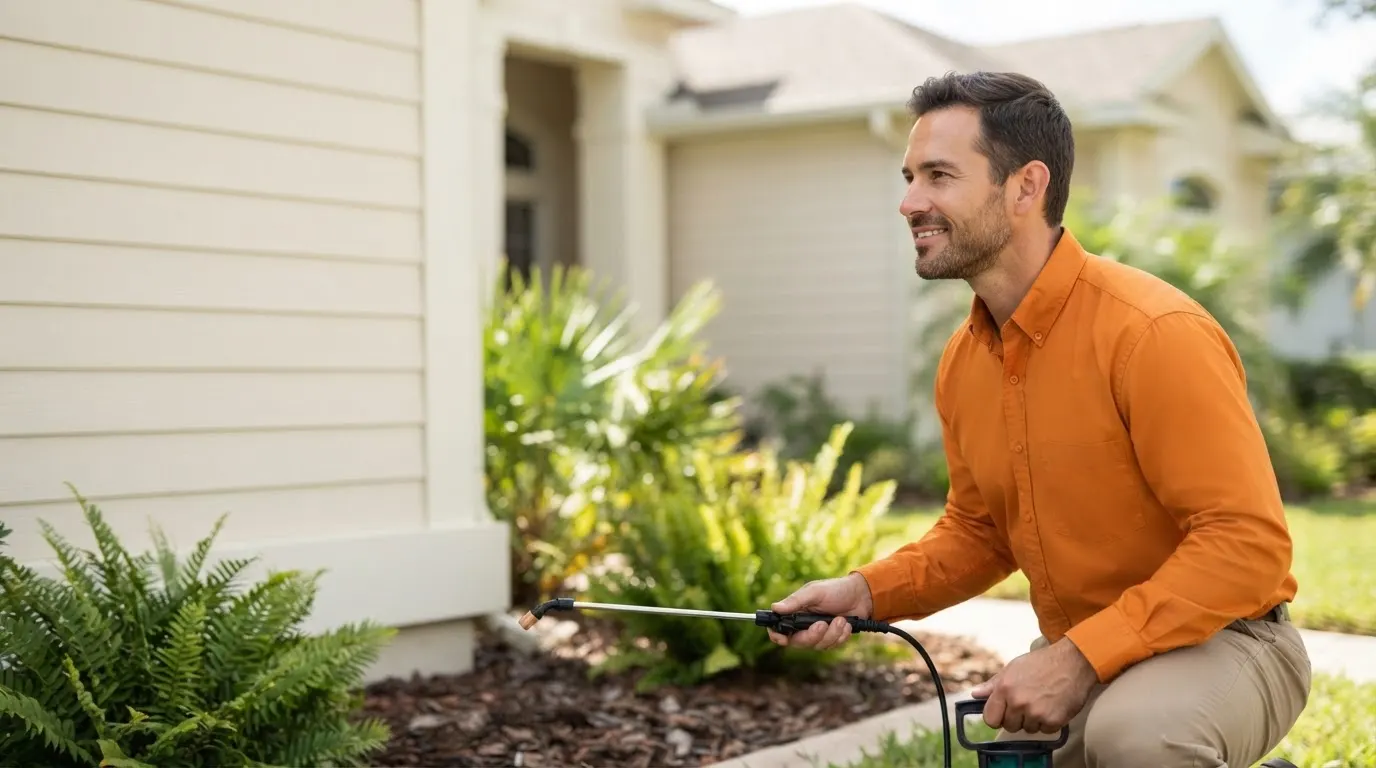
Pest control service in Fort Myers is a structured residential and commercial extermination and prevention process targeting subtropical arthropods, wood-destroying organisms, and nuisance rodents under southwest Florida climate conditions.
Every service reflects the same meticulous attention to detail, whether it's a single job or a larger pest control service project across Fort Myers.
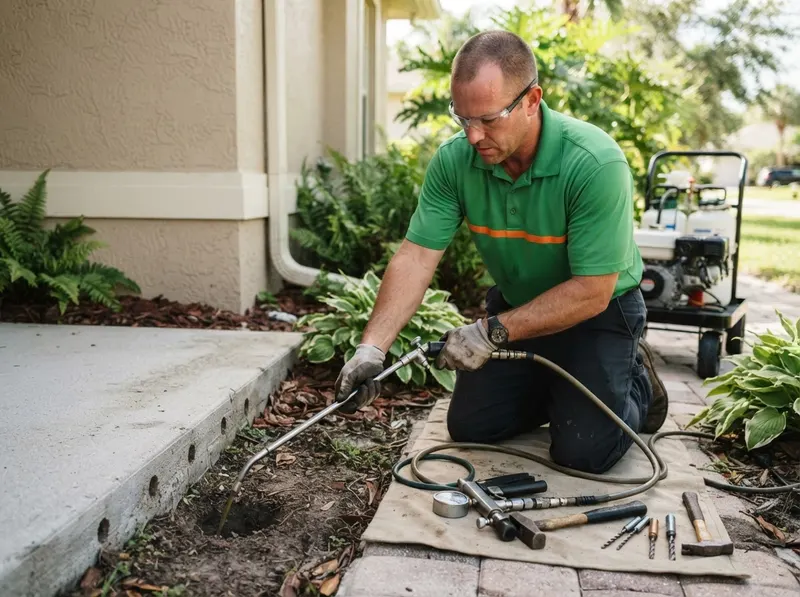
Subterranean termite defense in Fort Myers focuses primarily on Asian and Eastern subterranean termites that nest deep in damp, sandy soils across Lee County. Treatments establish a continuous non-repellent liquid chemical barrier along the structural foundation through specialized soil trenching, rod injection, and sub-slab penetration. Technicians trench soil 6 inches wide by 6 inches deep around exterior stem walls, applying registered termiticides such as fipronil at precise volume ratios to ensure foraging subterranean workers unknowingly track the active ingredient through structural mud tubes back to the central subterranean colony. In residences built with monolithic concrete slabs, sub-slab foundation drilling through interior expansion joints, bath traps, and plumbing penetrations delivers liquid protection directly to concealed subterranean entry paths, eliminating active structural infestations and preventing future structural timber destruction across crawlspaces and wood studs.
Get a quote →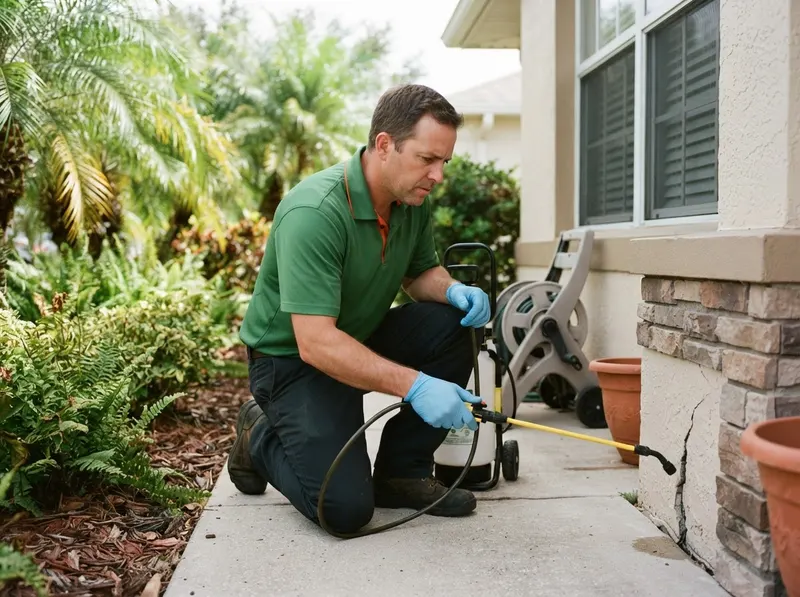
Household pest solutions eliminate persistent indoor populations of German cockroaches, silverfish, smokybrown roaches, and indoor-nesting ants across residential and commercial structures. Technicians conduct detailed crack-and-crevice placements using insect growth regulators and targeted baits inside kitchens, plumbing voids, sub-cabinet chases, and appliance motor housings. This internal intervention is paired with a continuous exterior foundation wash that extends 3 feet up the wall and 5 feet out across surrounding landscape beds. By neutralizing active indoor nesting sites with non-repellent micro-encapsulated materials while maintaining a protective exterior band around entry doors, window weep holes, and utility penetrations, the protocol systematically extinguishes interior pest populations without broad broadcast spraying over exposed indoor surfaces or furniture.
Get a quote →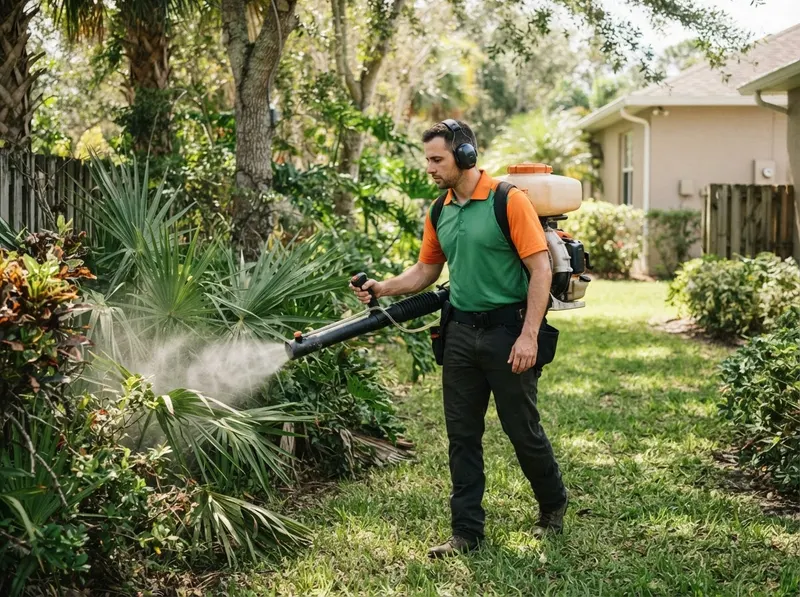
Mosquito reduction programs in Lee County treat adult resting zones across dense ornamental foliage, property borders, shaded under-deck areas, and soffit overhangs using motorized backpack atomizers that emit fine, weather-resistant micro-encapsulated residual suspensions. This protocol targets Aedes aegypti and Culex species resting in dense shrubbery, dramatically reducing the adult biting population from early summer through late autumn. Concurrently, service specialists perform rigorous source reduction assessments to pinpoint hidden water caches, deploying slow-release bacterial larvicide briquettes containing Bacillus thuringiensis israelensis (BTI) into non-draining catch basins, decorative fountains, potted plant saucers, and retention ditches to kill aquatic larvae before they emerge as flying adults.
Get a quote →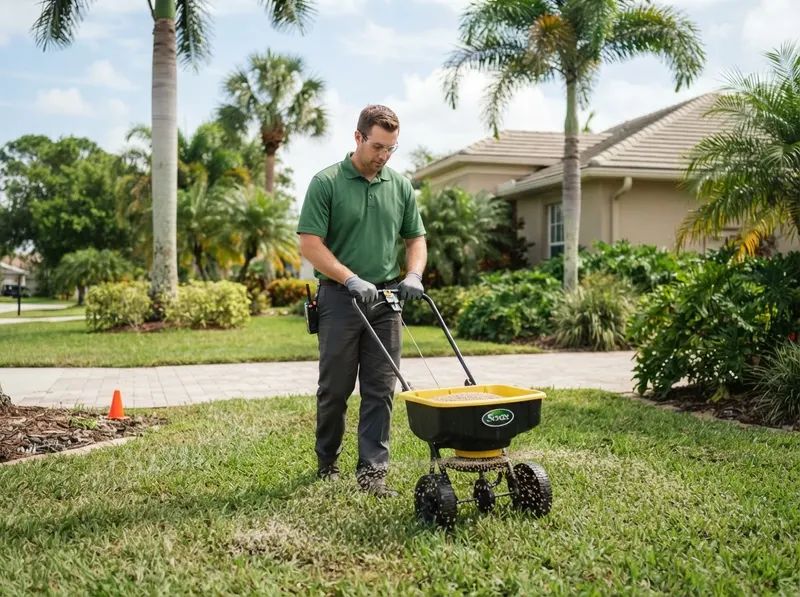
Lawn pest applications protect St. Augustine (Floratam, Palmetto) and Zoysia turf varieties from damaging surface and root pests, including southern chinch bugs, tropical sod webworms, fall armyworms, and hunting billbugs. Programmed applications deploy targeted liquid surface treatments alongside granular systemic insecticides timed precisely with seasonal pest emergence cycles. When summer heat accelerates chinch bug reproduction, liquid contact insecticides neutralize feeding nymphs along thatch lines before circular yellow patches expand into dead brown turf. Secondary systemic treatments applied via specialized spreader equipment enter the plant vascular tissue, offering extended defense against subterranean root pests and stem-boring caterpillars, preserving root systems and stabilizing the lawn during seasonal drought and excessive moisture cycles.
Get a quote →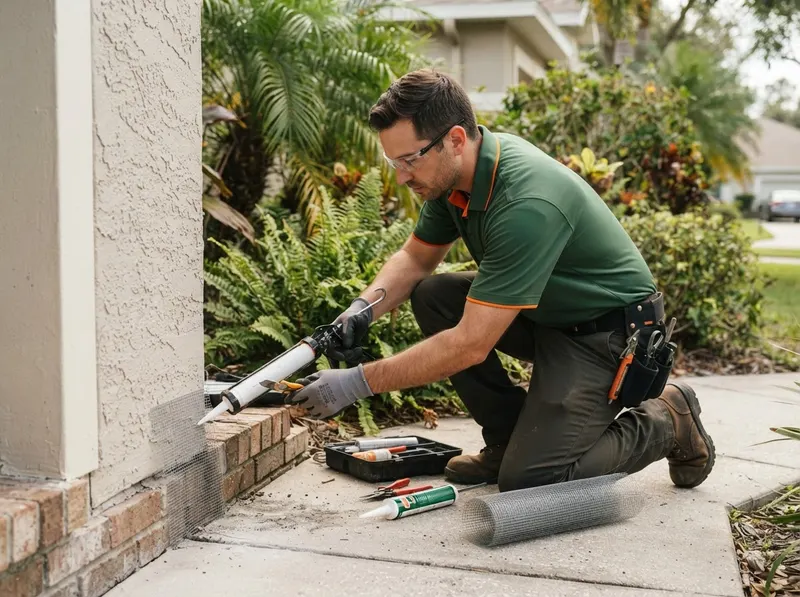
Rodent management targets roof rats (Rattus rattus) and house mice utilizing tree canopies, plumbing stacks, and utility lines to access residential attic voids and crawlspaces across southwest Florida. Work begins with a meticulous roof-to-foundation inspection that identifies entry apertures as small as 1/4 inch. Technicians perform full structural exclusion by installing heavy-gauge galvanized steel hardware cloth, metal flashing, and structural sealants across roof returns, barrel tile openings, gable louvers, soffit junctions, and weep screeds. Interior attic spaces undergo targeted mechanical snap-trapping along established rodent runways to remove resident animals without utilizing interior poison baits that cause odor issues. Exterior tamper-resistant bait stations are positioned strategically along perimeter fences and foundation perimeters to suppress outdoor populations.
Get a quote →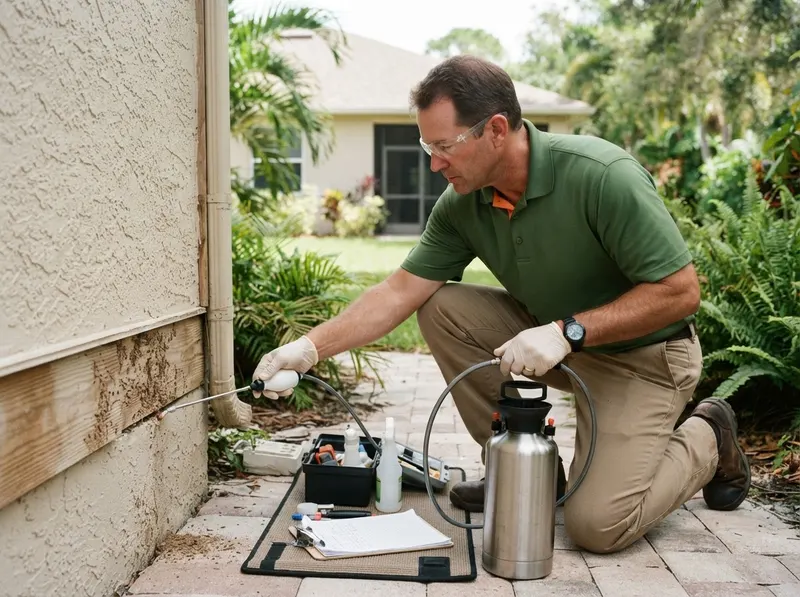
Specialty ant protocols tackle localized infestations of ghost ants, Caribbean crazy ants, white-footed ants, and Florida carpenter ants that resist traditional repelling sprays. Ghost ants build opportunistic, polygyne colonies in wall voids, potted plants, and electrical outlets, while carpenter ants excavate galleries in water-damaged wood and foam insulation. Technicians map outdoor arboreal trails, irrigation valve boxes, and landscape mulch pathways to trace foraging routes back to master colonies. Applications deploy advanced non-repellent transfer chemistry, including fipronil, indoxacarb, and dinotefuran, formulated into sweet and protein-based gel baits alongside exterior liquid perimeter drenches. Worker ants distribute the toxicant throughout satellite colonies via trophallaxis, collapsing reproductive queens and immature stages within 7 to 14 days.
Get a quote →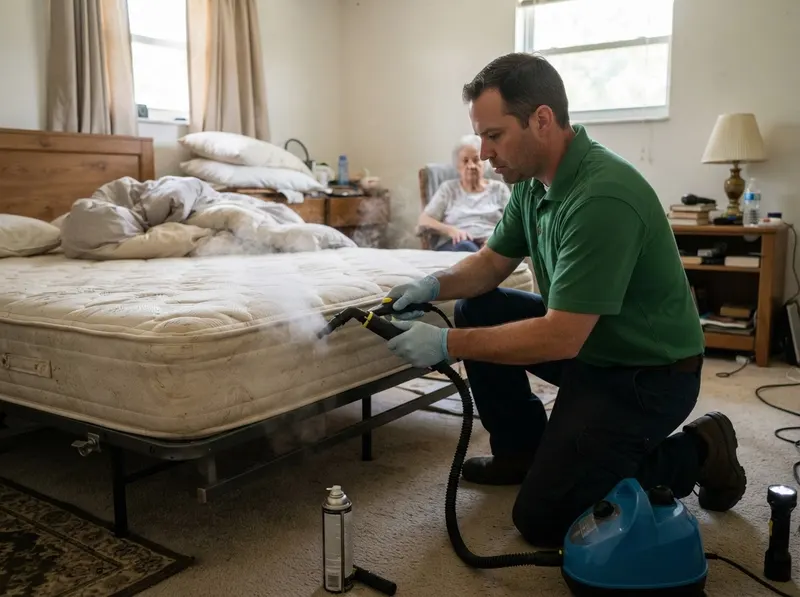
Bed bug mitigation employs comprehensive crack-and-crevice treatments designed to eradicate Cimex lectularius infestations in residential homes, multifamily apartments, and hospitality facilities. The multi-tiered remediation process utilizes targeted residual liquid insecticides, specialized insect growth regulators, and amorphous silica desiccant dusts injected deep into electrical outlets, baseboard perimeters, door frames, and structural wall voids. Technicians apply focused high-heat dry steam across mattress seams, box spring coils, headboards, upholstery folds, and carpet edges, instantly neutralizing active adult insects, feeding nymphs, and newly deposited eggs that resist conventional chemical treatments. Detailed follow-up inspections ensure total eradication across treated rooms, preventing secondary re-infestation throughout adjacent structural living spaces.
Get a quote →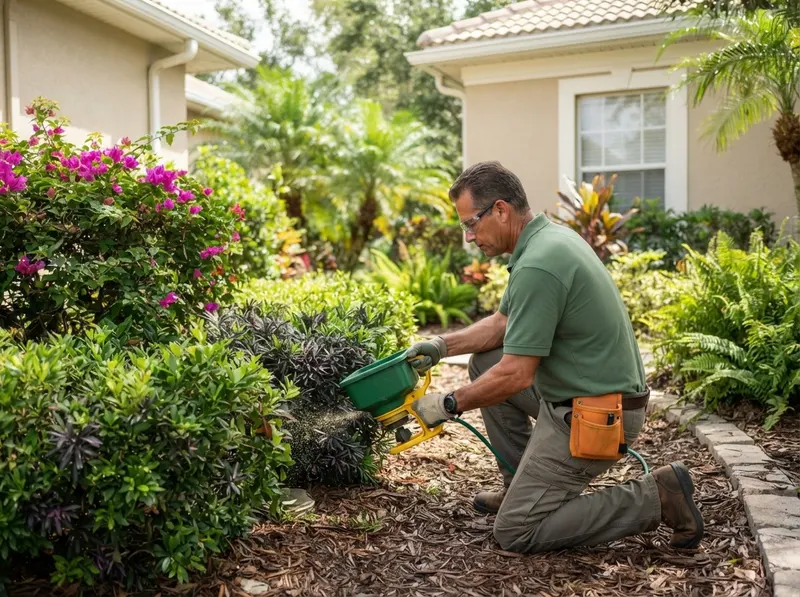
Landscape ornamental insect management defends native and exotic plantings, including palms, ficus hedges, hibiscus, and bougainvillea, against spiraling whiteflies, armored scales, mealybugs, aphids, and spider mites. Sucking insects extract vital sap from leaf tissue, causing severe defoliation, chlorosis, and the rapid formation of black sooty mold that halts photosynthesis. Treatment strategies utilize systemic soil drenches applied directly to root zones, allowing plants to draw up water-soluble active ingredients that protect new growth internally for multiple months. Supplemental foliar sprays using horticultural oils and selective insect growth regulators coat existing insect colonies on the undersides of leaves, suffocating scale crawlers and whitefly nymphs without damaging sensitive ornamental plant foliage.
Get a quote →You get a firm, itemized quote for your pest control service before any work begins, no surprises, no pressure.
Careful prep, tidy work, and a full cleanup when we are done. We treat your home and belongings like our own.
The same trusted, background-checked team from the first call to the final check.
Selecting the proper pest management strategy depends entirely on structural biology, pest behavior, property layout, and moisture exposure. If a residence experiences persistent ant trails along baseboards, exterior perimeter barrier defense combined with specialized non-repellent transfer baits resolves the colony at the source; if an infestation involves wood-destroying subterranean termites inside wall framing, localized surface sprays fail, requiring continuous perimeter soil trenching or sub-slab foundation termiticide injection. The trade-off centers on treatment scope versus intervention depth: exterior perimeter applications require lower chemical disruption inside the home, whereas entrenched structural or wood-destroying insect infestations mandate intrusive interior drilling, access creation, and whole-structure protocol adherence.
If an attic hosts nocturnal wildlife, chemical broadcast fogging is improper and counterproductive; structural exclusion utilizing 1/4-inch galvanized steel mesh paired with targeted mechanical trapping is required. The trade-off between mechanical exclusion and chemical rodenticide is structural permanence: exterior bait stations temporarily suppress foraging populations, while whole-structure mechanical sealing physically eliminates future roof rat entry through barrel tile valleys and soffit intersections permanently, albeit at higher upfront labor investment. For turfgrass and ornamental vegetation, standard broadcast surface sprays eliminate surface-feeding tropical sod webworms quickly, whereas subsurface root infestations like ground pearls or mole crickets necessitate targeted systemic drenches applied before significant turf dieback occurs.
When selecting between routine quarterly maintenance and reactive on-demand treatments, quarterly scheduling sustains unbroken chemical barriers that stop perimeter colonization, whereas reactive single visits require stronger corrective chemical volume inside residential living areas once pests establish hidden void nests. Homeowners who opt for minimal exterior intervention trade low upfront costs for frequent internal pest sightings, as untreated garden mulch and sandy soil beds provide continuous harborage for invasive ant species that exploit foundation weep holes during extended rainy periods.
Every project gets a firm, written price after a free on-site visit. Ranges below for orientation.
Tell us about your pest control service job and we'll send a clear, written quote, usually the same day. Or just call and talk to a real Fort Myers pro.
(239) 895-9673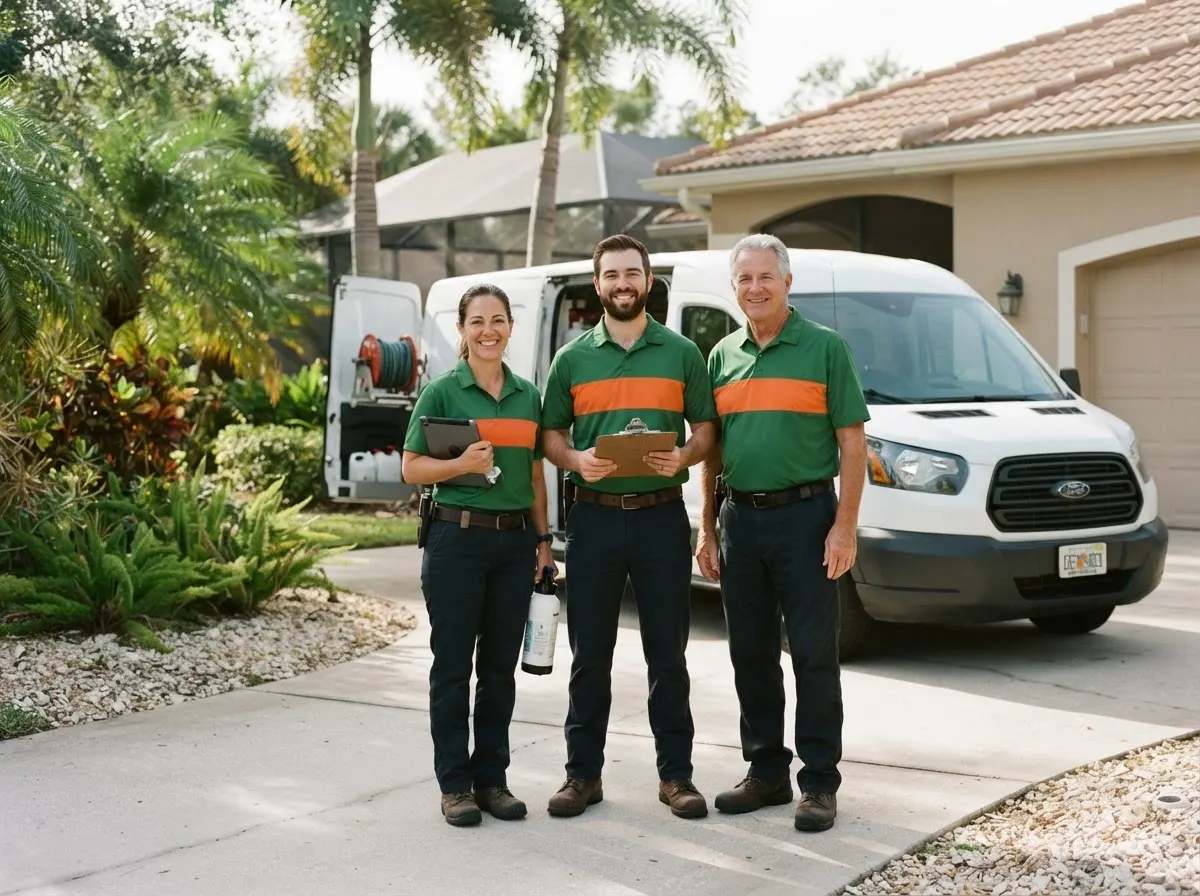
Properties throughout Fort Myers face unique structural and biological pest challenges driven by high groundwater levels, subtropical humidity, and seasonal drainage patterns adjacent to the Caloosahatchee River waterfront and the Six Mile Cypress Slough Preserve. In historic raised-foundation homes throughout Dean Park Historic District and Edgewood, damp crawlspaces, unsealed masonry piers, and older heart pine framing create accelerated environmental conditions for subterranean termite colonies, demanding specialized perimeter trenching and localized sub-floor timber treatments. Along established tree-lined corridors like McGregor Meadows and Whiskey Creek, sprawling live oaks, mature royal palms, and ficus hedges form natural aerial highways that allow roof rats and carpenter ants to bypass ground defenses, dropping directly onto roof decks, penetrating soffits, and nesting in blown cellulose insulation. Conversely, newer master-planned communities situated in the eastern and southern corridors of Fort Myers, such as Paseo, Pelican Preserve, Botanica Lakes, and Heritage Palms, feature expansive lake systems, retention basins, and dense conservation wetlands that sustain intense populations of ghost ants, chinch bugs, and biting mosquitoes throughout the extended rainy season. The combination of intense ultraviolet breakdown along stucco exteriors, rapid chemical leeching in coarse Immokalee fine sand soils, and sudden tropical downpours washing through drainage swales requires precision chemical formulations. Standard pest control practices fail if technicians do not account for these local hydrogeological realities, which is why treatments in Fort Myers emphasize water-resistant micro-encapsulated foundation barriers, deep-root systemic treatments, and meticulous physical exclusions engineered to withstand the demanding southwest Florida climate.
Free estimates for Fort Myers & the surrounding area.
 Caloosa Pine Pest Control